
Our Services
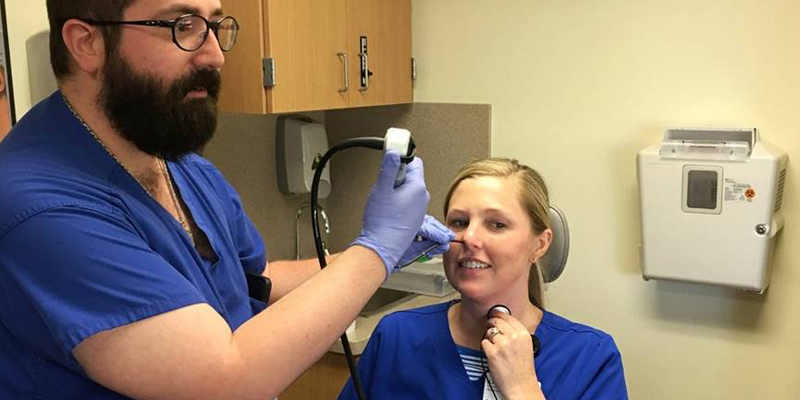
Swallowing Disorders
The term dysphagia refers to difficulty swallowing. It is used regarding a variety of swallowing disorders.
Depending on which part of the swallowing process is affected, dysphagia can be described as:
- Oral dysphagia — when the problem is in the mouth, usually due to the movement of the tongue
- Pharyngeal or oropharyngeal dysphagia — when the problem is regarding food passing through the throat
- Esophageal dysphagia — when food is unable to move down through the esophagus
Swallowing disorders cause a variety of symptoms that include:
- The feeling that food or liquid is hard to swallow, and that it is getting caught in the esophagus or “sticking” on the way down to the stomach
- Odynophagia — pain when swallowing, which can occur in the throat or chest and can mimic heartburn or even heart-related symptoms
- Coughing during or right after swallowing.
- Choking — coughing triggered by the feeling of food or liquid sticking in the throat or esophagus, or entering airways.
- Regurgitation — return of food or liquid to the mouth or throat (normal swallowing moves food and liquid in one direction). Unlike vomiting, regurgitation happens without retching, nausea or engaging stomach muscles.
- Nasal regurgitation is when swallowed food or fluid backtracks and enters the nose.
Structural anomalies, neurological anomalies and allergy (eosinophilic esophagitis) are the common causes of dysphagia.
Consult your doctor if these symptoms persist for more than a week